
How Are Eyewear Made? The Sailook Way
At Sailook Eyewear, we firmly believe that a high-quality pair of sunglasses or optical glasses is the perfect combination of precision engineering, material science, and handcrafted artistry. Eyewear is not just a fashion accessory — it is a sophisticated optical instrument designed to protect the eyes. With full transparency, we invite you to step into our manufacturing world and witness every detail — from concept design to mass production, from raw materials to the finished product.
Precision Manufacturing
Quality Standards
Wholesale Partnership
Comprehensive Manufacturing Process
Over 200 meticulous handcrafted steps ensure every pair meets the exacting standards your brand demands.
From initial concept development to final packaging, we maintain the highest standards throughout the entire manufacturing journey.
Pre-Production Excellence
Design & Development
Comprehensive design development using advanced CAD software and 3D modeling to create precise technical drawings.
Component Analysis
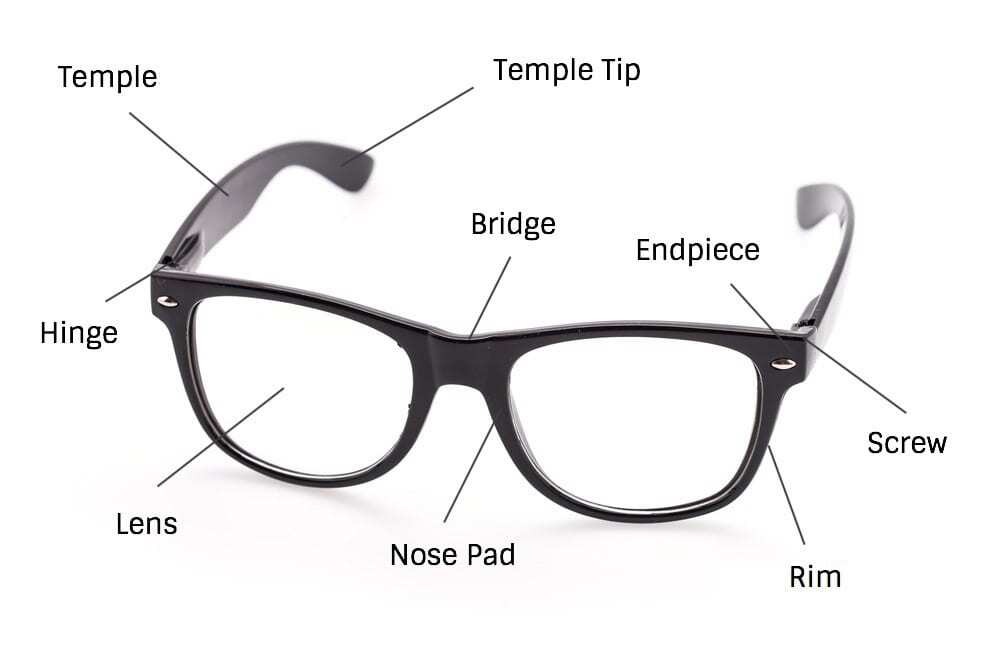
Understanding every component including front rim, bridge, temples, hinges, and nose pads for optimal performance.
Material Selection
Premium materials including high-grade acetate, titanium, stainless steel, and advanced polymer compounds.
1. What You Need to Know Before Understanding Eyewear Production
1) What components make up a pair of glasses?
A complete pair of sunglasses or optical glasses is composed of six essential parts working in precise harmony: the lenses provide vision protection and optical correction; the front frame supports the structure and holds the lenses in place; the temples stabilize the fit around the head; the bridge and nose pads distribute the weight comfortably; and the hinges connect the front frame to the temples, ensuring smooth opening and closing.
Each part is indispensable. Only by selecting the right materials and applying precision craftsmanship can we ensure comfort in wearing, superior visual experience, and long-lasting durability.
2) What materials are eyewear made from?
Outstanding eyewear begins with materials. At Sailook, we carefully source the world’s finest materials:
The choice of materials determines the aesthetics, durability, weight, and comfort of eyewear. At Sailook, we strictly control moisture, hardness, and environmental standards, laying the foundation for quality in every pair.
| Material | Properties | Benefits |
|---|---|---|
| Acetate | In addition to premium Italian brands Mazzucchelli and Takiron, we also widely use top domestic suppliers such as ELEUNG, Jinyu, Jimei, and Vision Color. Known for rich color layers, excellent stability, and skin-friendly texture. We strictly monitor moisture content to prevent deformation during later processing. | Smooth surface, consistent color, comfortable wear |
| Optical-grade Metals | Includes high-grade stainless steel, pure titanium (lightweight yet strong), and β-titanium with excellent elasticity. All materials undergo strength, corrosion resistance, and biocompatibility tests. | Strong structure, durable, lightweight |
| TR90 Polymer | Lightweight, tough, impact-resistant, with high resilience and fatigue resistance. Especially suitable for sports eyewear. | Drop-resistant, lightweight, comfortable fit |
| Plastic (PC/Common plastics) | Cost-effective, easy to mold, suitable for entry-level or mass-market eyewear collections. | Lightweight, affordable, practical |
| Carbon Fiber | High strength, lightweight, heat resistant, with advanced texture and tech aesthetics. Often used in premium frames. | Luxurious feel, durable, comfortable |
| Bamboo | Natural texture, lightweight, eco-friendly. Each frame is unique, blending nature with design. | Unique look, eco-friendly, comfortable |
| Horn | Naturally sourced, handcrafted, with a warm and refined texture. Symbol of luxury and exclusivity. | Distinctive appearance, bespoke, skin-friendly |

3) How are eyewear/sunglasses designed?
Design begins with inspiration and market insight. It is a creative process that integrates aesthetics, ergonomics, and functionality. Our designers analyze market trends and brand DNA, then create sketches and concept drawings. Once a direction is confirmed, CAD software is used for precise 3D modeling, followed by rapid 3D printing prototypes to evaluate comfort, proportions, and visual effects.
This is an iterative process of optimization, ensuring the final design excels not only visually but also in manufacturability, laying a solid foundation for mass production.
4) Pre-production feasibility evaluation
When we receive a client’s project requirements, our engineering team conducts a thorough “manufacturability review” to anticipate and resolve potential issues.
After passing feasibility assessment and project confirmation, our engineers prepare CAD drawings that detail design, dimensions, logo size, and logo placement. For complex mold structures, we prepare 3D drawings for client confirmation. This proactive step reduces risks, avoids rework, minimizes material waste, and ensures smooth mass production.
2. How Are Acetate Eyewear Made?
Below is how each stage is executed, how it is controlled, and the benefits it brings:
1) Creating the acetate temple mold
Each pair of temples requires custom molds to guarantee precise consistency in size, curvature, thickness, and comfort. Our engineers, based on design drawings and 3D data, select high-precision steel to craft molds using CNC machining and hand finishing. Each mold undergoes repeated testing and adjustments to ensure that during heat shaping, temples perfectly follow the intended curve while maintaining elasticity and durability. This step is vital for comfort, smooth hinge opening, and long-term durability.
2) Incoming material inspection
All raw materials — acetate sheets, metal hinges, and lenses — undergo strict laboratory testing to verify color, hardness, flexibility, and compliance with international standards (CE / FDA / UKCA). This ensures product quality and safety from the very beginning.
3.1) Front frame production process
Cutting: Acetate sheets are laser or CNC cut into blanks with precise dimensions and clean edges.
Heating: Cut blanks are heated in ovens at constant temperature for 24 hours × 6 days, releasing internal stress to prevent warping or deformation.
Bridge pressing: Strengthens the structure for stability.
Symmetry matching: Ensures both frame sides align perfectly.
CNC machining: Precision milling for exact dimensions and details.
Initial QC: Inspects dimensions, symmetry, and defects.
Heat bending: Frames are shaped to match facial curves, enhancing comfort.
Tumbling & Polishing:
Rough polish (12 hrs) removes machining marks
Mid polish (72 hrs) smoothens surface and enhances shine
Fine polish (48 hrs) achieves mirror-like gloss
Final shaping: Frame curvature adjusted to design accuracy.
QC: Complete inspection of dimensions, finish, and comfort.
3.2) Temple production process
Cutting: Laser or CNC cutting of acetate sheets into temple blanks, ensuring precise length, thickness, and shape according to design.
Heating: Blanks are placed in a constant-temperature oven to release internal stress, preventing deformation during bending or later processing.
Rough grinding: Initial polishing of the temples to remove cutting burrs and create a smooth base surface.
Intermediate tumbling: Extended tumbling process to further smoothen the surface, round edges, and enhance wearing comfort.
Slotting (Hinge prep): Preparing hinge connection slots at the temple ends to ensure precise and secure hinge installation.
Barrel tumbling: Surface grinding and polishing of temples to improve gloss and hand feel.
Cleaning: Removing dust and residues left from tumbling to ensure a clean surface for further processing.
Drying: Complete drying of temples to avoid moisture affecting surface quality or later treatments.
QC inspection: Checking dimensions, bending angles, and surface finish to ensure temples meet design standards.
End trimming: Final trimming of temple tips according to design size to match hinges, preparing for assembly.
4) Full Frame Assembly
Polishing: Polishing of frame and temples.
Hinge installation: Attaching high-precision hinges for smooth, long-lasting performance.
Initial assembly: Combining frame front, temples, bridge, and nose pads.
Polishing: Each acetate frame undergoes careful polishing to achieve a smooth surface, comfortable touch, and consistent shine. This step enhances both the look and feel of the eyewear, revealing the natural brilliance of the acetate material.
Quality Control (QC) Inspection: Every frame is thoroughly inspected for appearance and detail — ensuring there are no scratches, dents, or defects. Only frames that meet our strict quality standards move forward, guaranteeing every pair delivers premium performance and flawless presentation.
Branding (Logo/Markings): Applied by printing(like above video), hot stamping, or laser engraving. Position and depth strictly controlled for beauty and readability.
Lens cutting (Edging): Lenses are cut to match frame grooves with precision machines.
Lens installation: Fitted securely into frames, ensuring no gaps or stress marks.
Frame adjustment (Alignment): Final shaping for ergonomic fit.
Full QC: Final inspection for strength, alignment, clarity, and finish.
Packaging: Glasses are packed with branded cases, care instructions, and certification.
Quality Assurance & Standards
CE Certified
European Conformity standards for safety and quality compliance.
ISO Standards
ISO 12870 and ISO 12312-1 compliance for optical quality.
ANSI Certified
ANSI Z80.3 and Z80 standards for impact resistance and safety.
Quality Control
Comprehensive testing protocols and inspection procedures.
3. How Do We Guarantee Quality Throughout Production?
1) Pre-production material inspection
Every batch of acetate, lenses, hinges, screws, and components undergoes strict testing for color, hardness, flexibility, environmental compliance, and size tolerance. This eliminates risks at the source.
2) Process control during production
Each stage — cutting, bending, polishing, drilling, and assembly — follows strict SOPs and is monitored with precision equipment. This ensures consistency, minimizes defects, and maximizes efficiency.
3) Dimensional and component checks
We measure frame dimensions, temple lengths, hinge gaps, lens thickness, and bending angles throughout production, ensuring accuracy and comfort.
4) Sampling inspection during production
Each production batch is sampled for checks on appearance, structure, color, and performance. Early detection prevents larger problems and improves yield.

5) Final product inspection
Completed frames are tested for vision clarity, lens security, surface finish, hinge smoothness, and branding accuracy. Every pair meets high standards before shipping.
6) Traceability and quality records
Each batch is documented for material sources, processes, inspection results, and issues. This enables full traceability and quick resolution if needed.
7) Continuous improvement
We collect client feedback, analyze returns and market data, and constantly refine designs, processes, and inspections. Every batch gets closer to perfection, ensuring higher customer satisfaction and long-term brand success.
4. Conclusion
At Sailook Eyewear, every pair of glasses represents a union of engineering precision, material science, and craftsmanship. Through comprehensive control from design to production, we guarantee comfort, durability, optical performance, and aesthetics. Our transparent process, strict material and process control, and robust quality assurance system make Sailook Eyewear a trusted long-term partner for brands worldwide.
Ready to Partner with Sailook?
Contact our team today to discuss your custom eyewear needs and discover how our premium sunglasses/Eyeglasses can enhance your product lineup.